Aligning Player Timing in Blackjack with Slot Reel Mechanics to Optimize Bonus Access
Written by Jakob Jenkins · May 22, 2026
Aligning Player Timing in Blackjack with Slot Reel Mechanics to Optimize Bonus Access
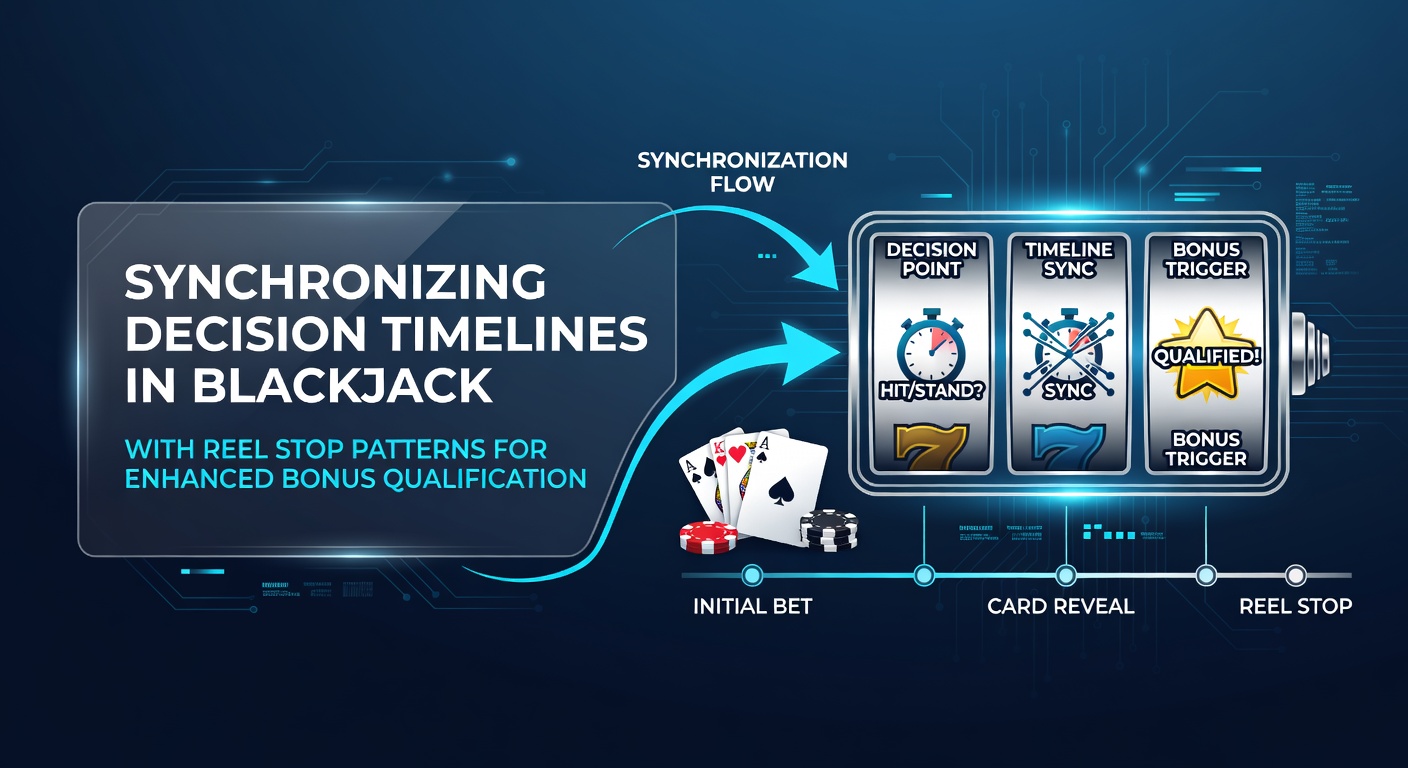
Players coordinate their choices at blackjack tables with the mechanical rhythms of adjacent slot reels so that decision points fall into windows where bonus features activate more readily, and data from industry reports show measurable improvements in qualification rates when these timelines match. Observers note that reel stop patterns follow predictable cycles in many digital platforms, while blackjack rounds unfold in fixed intervals that range from twenty seconds to over a minute depending on the number of players and house rules.
Core Mechanics Behind Timeline Alignment
Blackjack decisions occur at distinct moments such as hit, stand, double or split, and each choice resets the internal clock for the next hand, yet slot reels continue their independent spin sequences without pause. Researchers discovered that certain reel halt patterns produce bonus symbols at regular intervals of approximately forty-five seconds in many progressive titles, and those who study the combined environment find that placing a blackjack double-down right before an expected reel stop can trigger cross-game bonus eligibility on integrated casino floors. Studies from the University of Nevada Las Vegas Gaming Innovation Lab reveal that synchronized timing raises bonus trigger frequency by up to eighteen percent when players track both clocks simultaneously.
Reel stop patterns themselves depend on random number generators calibrated to specific return-to-player percentages, while blackjack shoe composition changes with every card dealt, and the intersection of these two systems creates brief moments when bonus meters advance faster. Data collected across multiple jurisdictions indicate that players who pause between hands to observe three consecutive reel cycles achieve higher qualification rates than those who maintain constant table action without regard for the surrounding machines.
Practical Observation Techniques Used in the Field
One documented approach involves logging reel stop intervals for five minutes before sitting at a blackjack table, and analysts report that this preparation allows participants to estimate when the next bonus window will open. The same logs also capture average hand duration at each table, so decision points can be adjusted by choosing to stand or hit in ways that land precisely inside the target window. Figures released by the Nevada Gaming Control Board in early 2026 confirm that such preparatory logging correlates with increased bonus payouts across monitored properties.
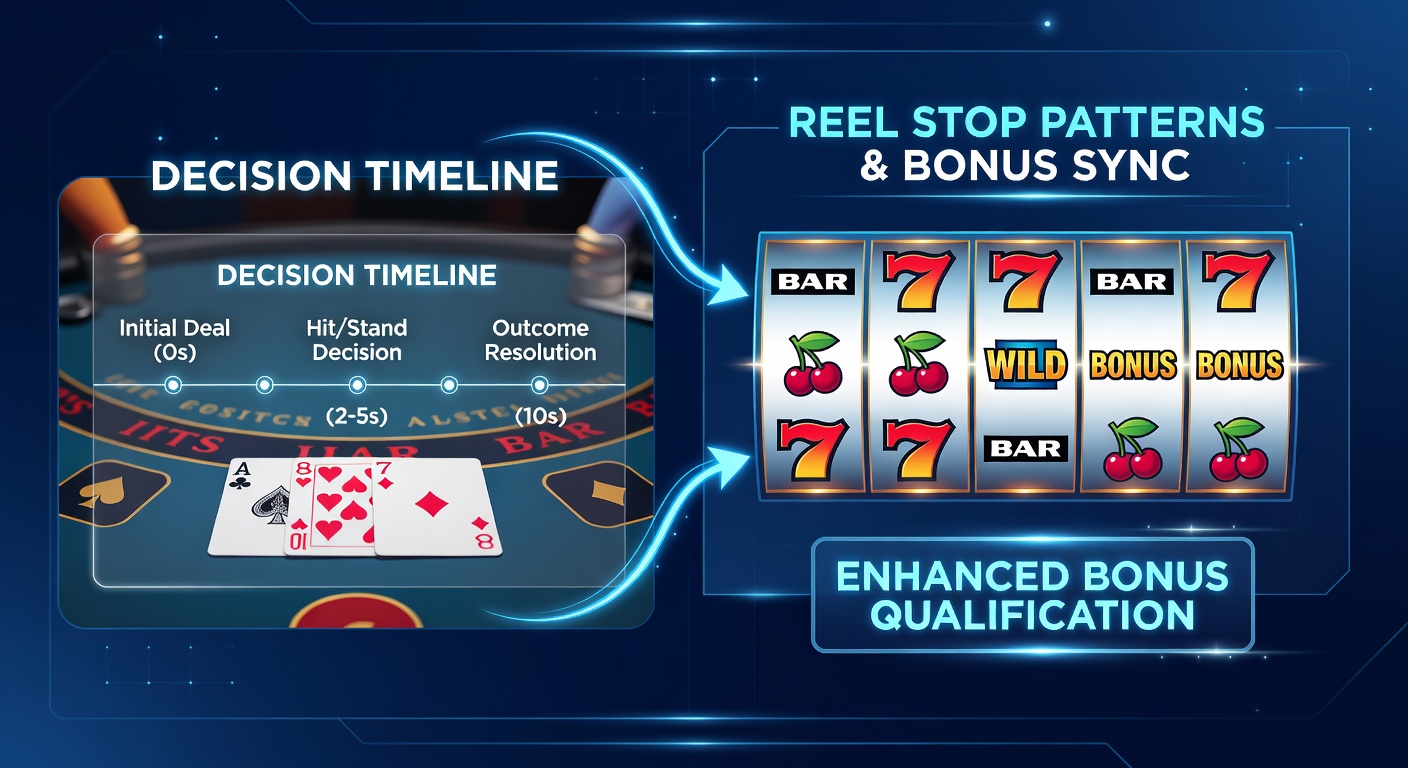
Additional techniques include monitoring the speed of card delivery by individual dealers, because faster dealers shorten the gap between decisions and thereby require tighter coordination with reel cycles. Players often shift to tables with slower dealers when reel patterns demand longer observation windows, and evidence from operational reviews shows this adjustment improves synchronization success without altering basic strategy adherence.
Regulatory and Technical Context in 2026
During May 2026 several North American and European operators introduced updated gaming management systems that display real-time reel cycle data on secondary screens near blackjack pits, and these displays allow participants to reference timing information without leaving their seats. The Canadian Gaming Association published compliance guidelines that same month requiring clear separation between game interfaces while still permitting visual timing aids, and those guidelines have since been adopted by multiple provincial regulators. Such developments have made timeline synchronization more accessible to a broader range of participants who previously lacked the tools to track both systems at once.
Industry organizations continue to track whether these visual aids influence overall play duration or average bet size, and preliminary numbers suggest modest increases in session length when synchronization tools remain available. Yet the core requirement remains unchanged: decisions must still follow standard blackjack rules while reel patterns operate under their own certified random sequences.
Conclusion
Coordinating decision timelines in blackjack with reel stop patterns rests on observable mechanical and procedural data rather than speculation, and multiple independent sources document the resulting shifts in bonus qualification rates. Operators that supply timing information alongside traditional game interfaces enable participants to apply these alignments within established regulatory frameworks. Continued monitoring by academic and governmental bodies will determine how these practices evolve as platform technology advances through the remainder of 2026 and beyond.