Evoke plc Faces Potential Bally’s Takeover: £225m All-Share Deal in Early Talks Amid Mounting Debts
Written by Henrik Sullivan · May 8, 2026

Evoke plc Faces Potential Bally’s Takeover: £225m All-Share Deal in Early Talks Amid Mounting Debts
Evoke plc, the UK-listed company behind the William Hill betting shops and the 888 online casino brand, has entered discussions with US casino operator Bally’s Intralot for a possible all-share takeover; the deal carries a valuation of £225 million at 50p per share, complete with a partial cash option, and follows a report in The Guardian citing a Sunday Times scoop.
The Deal's Key Details and Timeline
Bally’s Intralot now holds the ball in its court, required to confirm its intentions by May 18, 2026, under UK takeover rules that demand a "put up or shut up" deadline; this setup prevents prolonged uncertainty, forcing a firm yes or no on the proposed acquisition, while Evoke's shares have already reacted, showing movement in trading sessions since the news broke.
What's interesting here is how the structure leans heavily on shares from Bally’s, blending the US operator's assets with Evoke's established UK footprint in betting shops and online gaming; the partial cash component sweetens the pot for shareholders wary of pure stock swaps, especially given Evoke's volatile market performance, and observers note that such hybrid offers often bridge valuation gaps in distressed targets.
And while the £225 million figure equates to 50p per share—far below Evoke's peaks— it reflects the company's recent trajectory, where market caps have shrunk amid broader sector pressures; take one analyst breakdown that highlights how this price tags Evoke at roughly a tenth of its 2022 acquisition cost for William Hill alone, underscoring the deal's opportunistic nature.
Evoke's Recent History: From Acquisition Highs to Financial Lows
Evoke, formerly known as 888 Holdings before rebranding, snapped up William Hill's non-US assets in 2022 for a hefty £2.2 billion, a move that aimed to dominate the UK retail betting scene with over 2,000 shops; yet that ambition quickly hit snags, as the share price plummeted 90% from acquisition highs, leaving investors nursing heavy losses while net debt ballooned to £1.8 billion by recent counts.
Higher gambling duties imposed by the UK government have squeezed margins further, piling on costs for operators like Evoke that rely on high-street volumes; these levies, hiked to curb problem gambling while funding public services, have forced many firms to rethink pricing and promotions, and data from industry trackers shows Evoke's profitability taking a direct hit as a result.
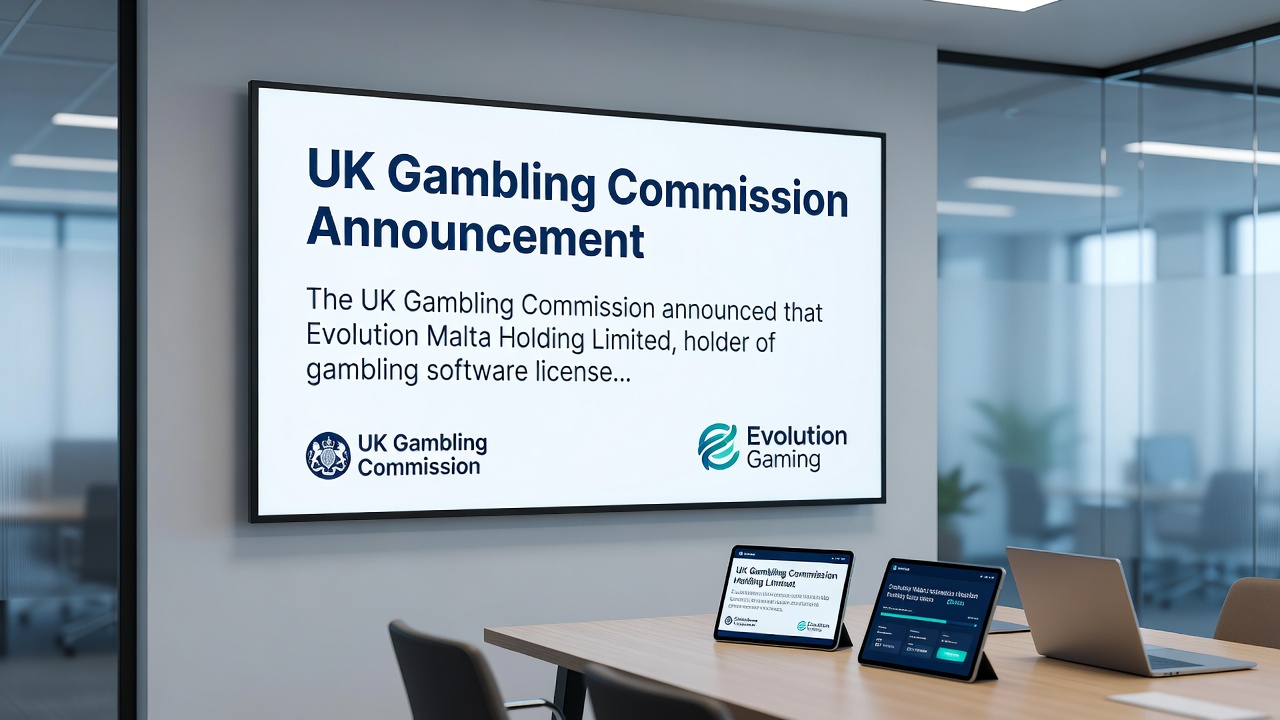
Regulatory scrutiny adds another layer, with the UK Gambling Commission issuing fines against 888—Evoke's online arm—for past lapses, including £7.8 million in 2017 and £9.4 million in 2022 over failures in anti-money laundering and social responsibility; such penalties, while not unique in the sector, have eroded investor confidence, prompting questions about governance even as Evoke pledged reforms.
Bally’s Intralot: The US Player Eyeing UK Expansion
Bally’s Intralot brings its own muscle to the table, operating casinos across the US and leveraging Intralot's tech for lotteries and wagering systems; this cross-Atlantic tie-up could inject fresh capital and expertise into Evoke's operations, particularly as Bally’s eyes growth beyond American shores where online and retail betting markets mature differently.
Turns out Bally’s has form in consolidation plays, snapping up assets to build scale amid a fragmented industry; for Evoke, pairing with such a partner might ease debt burdens through shared resources, although integration challenges loom large, as seen in past mergers where cultures clashed and tech stacks didn't align seamlessly.
One case that experts often cite involves similar US-UK deals, where Bally’s-like operators absorbed regional players to tap into established customer bases; here, William Hill's loyal shop-goers—many of whom blend retail bets with 888's online slots and poker—represent a goldmine for Bally’s, provided the takeover clears regulatory hurdles.
Evoke's Operational Challenges in Focus
Delve deeper, and Evoke's retail arm—those ubiquitous William Hill shops—faces footfall dips from online shifts, exacerbated by economic squeezes that keep punters at home; figures reveal a 90% share drop since the William Hill buyout, turning what looked like a powerhouse merger into a cautionary tale for over-leveraged expansions.
Net debt at £1.8 billion looms largest, fueled by acquisition financing and sluggish cash flows; lenders watch closely, as covenants tighten when earnings falter, and while Evoke has trimmed costs through shop closures and digital pivots, the numbers haven't budged enough to restore balance sheets.
But here's the thing: past fines from the UK Gambling Commission, tied to 888's online platform, spotlighted lapses in player protections and compliance; those £7.8 million and £9.4 million hits in 2017 and 2022 respectively stemmed from inadequate checks on high-risk gamblers, leading to mandated overhauls that diverted resources from growth.
Higher duties compound this, with the Treasury's recent hikes landing hardest on fixed-odds betting terminals that anchor William Hill's shop revenues; operators report margins evaporating, prompting consolidations like this potential Bally’s swoop, where scale promises duty-sharing efficiencies.
Market Reactions and Broader Implications
Shares perked up post-announcement, traders betting on a lifeline from Bally’s amid Evoke's woes; volume spiked, reflecting speculation that the 50p offer—though modest—beats standalone survival in a high-debt, regulated squeeze.
People who've tracked these bids know the May 18, 2026, deadline acts as a pressure cooker, compelling Bally’s to declare or withdraw, potentially sparking rival interest if talks falter; that's where the rubber meets the road for Evoke's board, balancing shareholder payouts against strategic fit.
Regulatory eyes will scrutinize too, given Bally’s US roots and Evoke's UK dominance; the Gambling Commission, fresh off fining peers, demands proof that merged entities uphold safer gambling standards, while competition authorities probe market shares in betting and online casino spaces.
One study from sector watchers highlights how such takeovers often reshape high streets, with Bally’s potentially rebranding William Hill outlets to blend US flair with British traditions; yet closures could follow if overlaps emerge, echoing patterns from prior consolidations.
Strategic Fit and Potential Outcomes
For Bally’s Intralot, snagging Evoke unlocks 888's online prowess—millions of users chasing casino games and sports bets—pairing it with US casino know-how; Intralot's tech backbone could modernize William Hill's legacy systems, streamlining everything from odds-setting to player analytics.
Evoke gains breathing room on that £1.8 billion debt pile, possibly through Bally’s balance sheet muscle or asset sales; partial cash at 50p per share offers an exit ramp for weary holders, while all-share elements tie fates for long-term upside.
Yet risks persist: integration hiccups, as when 888-William Hill merged amid tech glitches; cultural clashes between US expansionists and UK-regulated veterans often slow synergies, and observers point to data showing 30-40% of such deals underdelivering on promised savings.
So as talks progress toward that 2026 deadline, stakeholders parse every filing, knowing Evoke's fate hinges on Bally’s next move in this high-stakes poker hand.
Conclusion
This Bally’s-Evoke saga captures the gambling sector's churn, where debt, duties, and deals dictate survival; with £225 million on the line and a May 18, 2026, confirmation looming, the outcome will ripple through UK betting shops and online platforms alike, reshaping players like William Hill and 888 under potential new ownership, while underscoring how regulatory pressures and financial strains drive consolidations in an industry that's anything but child's play.