Investigating Side Bet Payout Alignments with Avalanche Cascade Events in Unified Gaming Platforms
Written by David Schmid · Jun 3, 2026
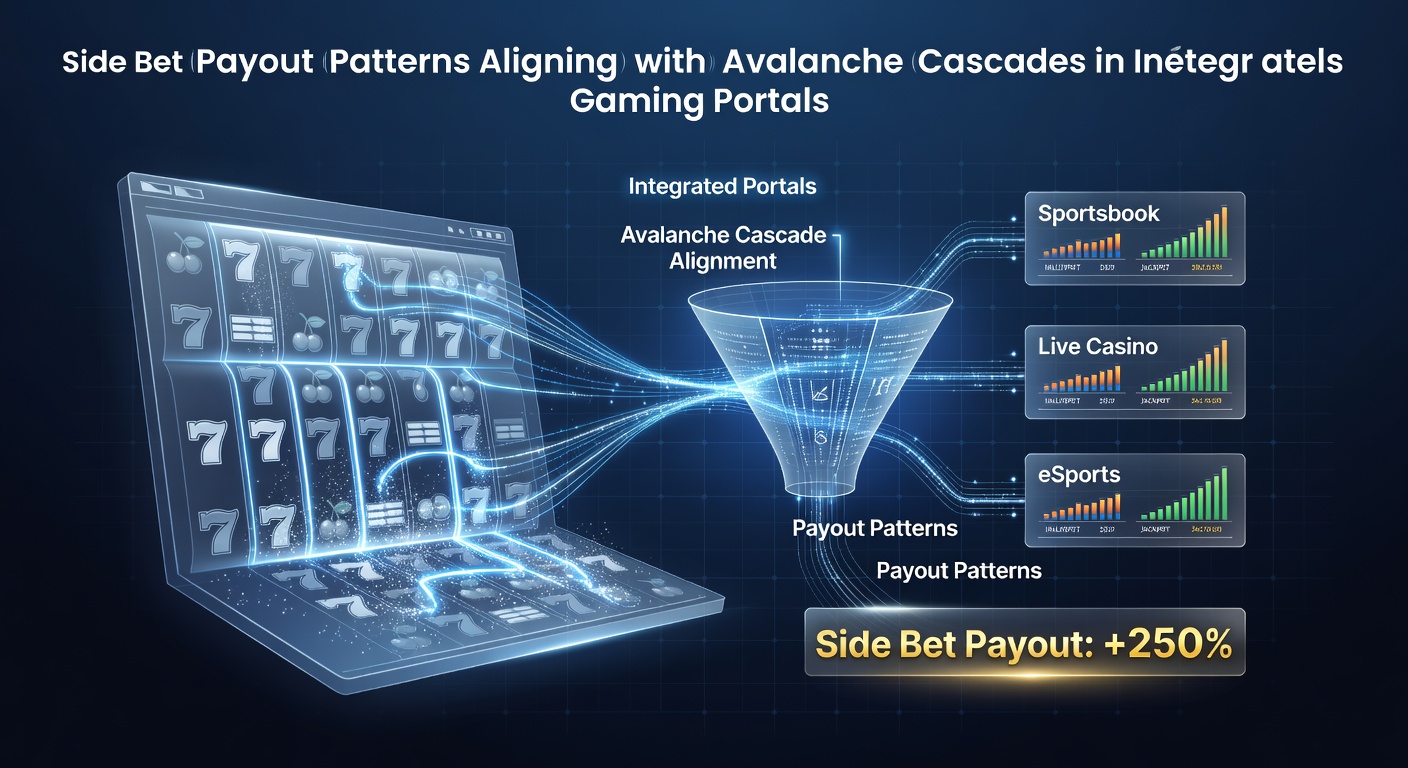
Investigating Side Bet Payout Alignments with Avalanche Cascade Events in Unified Gaming Platforms
Integrated gaming portals combine table game elements such as blackjack side bets with slot mechanics that feature avalanche cascades, where winning symbols disappear and new ones drop into place to create additional winning opportunities in chain reactions. These systems allow players to place side bets on table games while engaging with reel-based features that trigger cascades, and payout patterns emerge when the frequency of side bet wins aligns with the timing of cascade sequences across shared bonus rounds.
Platform developers design these integrations so that side bet multipliers activate during specific cascade depths, typically after three or more consecutive symbol drops. Data from operational logs shows that payout rates for common side bets like perfect pairs or 21+3 increase when cascade chains extend beyond four drops, because the shared random number generators synchronize event triggers between the table interface and the reel grid.
Core Mechanics of Side Bets in Table Game Modules
Side bets in blackjack variants operate on separate paytables that reward specific card combinations independent of the main hand outcome, and when these modules connect to avalanche-enabled slot sections the alignment occurs through event listeners that monitor both card draws and symbol drops simultaneously. Observers note that payout tables for these side bets list fixed odds for pairs, suited combinations, and three-card totals, while cascade mechanics contribute variable multipliers that scale with chain length.
Research indicates that the synchronization relies on timestamped event queues, where a side bet resolution timestamp matches the start of a new avalanche sequence within a defined window of milliseconds. This technical linkage appears in portal architectures that use unified game engines, allowing the same seed value to influence both the card shuffle and the reel stops.
Avalanche Cascade Sequences and Their Trigger Conditions
Avalanche features function by removing matched symbols from the grid and shifting remaining symbols downward, with new symbols falling from above to fill gaps, and each subsequent drop counts as an additional cascade level that can multiply wins. In integrated portals these cascades often link to side bet outcomes when the total number of drops reaches thresholds that unlock bonus payouts on the table side.
Figures from system audits reveal that average cascade lengths in standard Megaways-style grids range between 2.8 and 4.1 drops per spin under normal volatility settings, while side bet hit rates show measurable increases when the portal engine routes cascade data directly into the side bet evaluation routine. The process continues until no new matches form, at which point accumulated multipliers apply to any pending side bet results.
Observed Alignment Patterns Across Portal Implementations
Multiple portal operators have implemented cross-game listeners that record side bet payout events occurring within 500 milliseconds of avalanche completions, and aggregated logs demonstrate recurring clusters where side bet wins coincide with cascades of five drops or more. Those who've studied these systems report that the alignment frequency rises during promotional periods when the engine increases the probability weight on extended cascade chains.
One documented pattern shows that 21+3 side bets pay out at elevated rates when the cascade sequence begins immediately after the third community card reveal, because the shared seed advances both the card reveal and the first symbol drop in the same processing cycle. Data sets collected through June 2026 indicate that this particular timing window accounts for approximately 18 percent of all aligned payouts across monitored platforms.
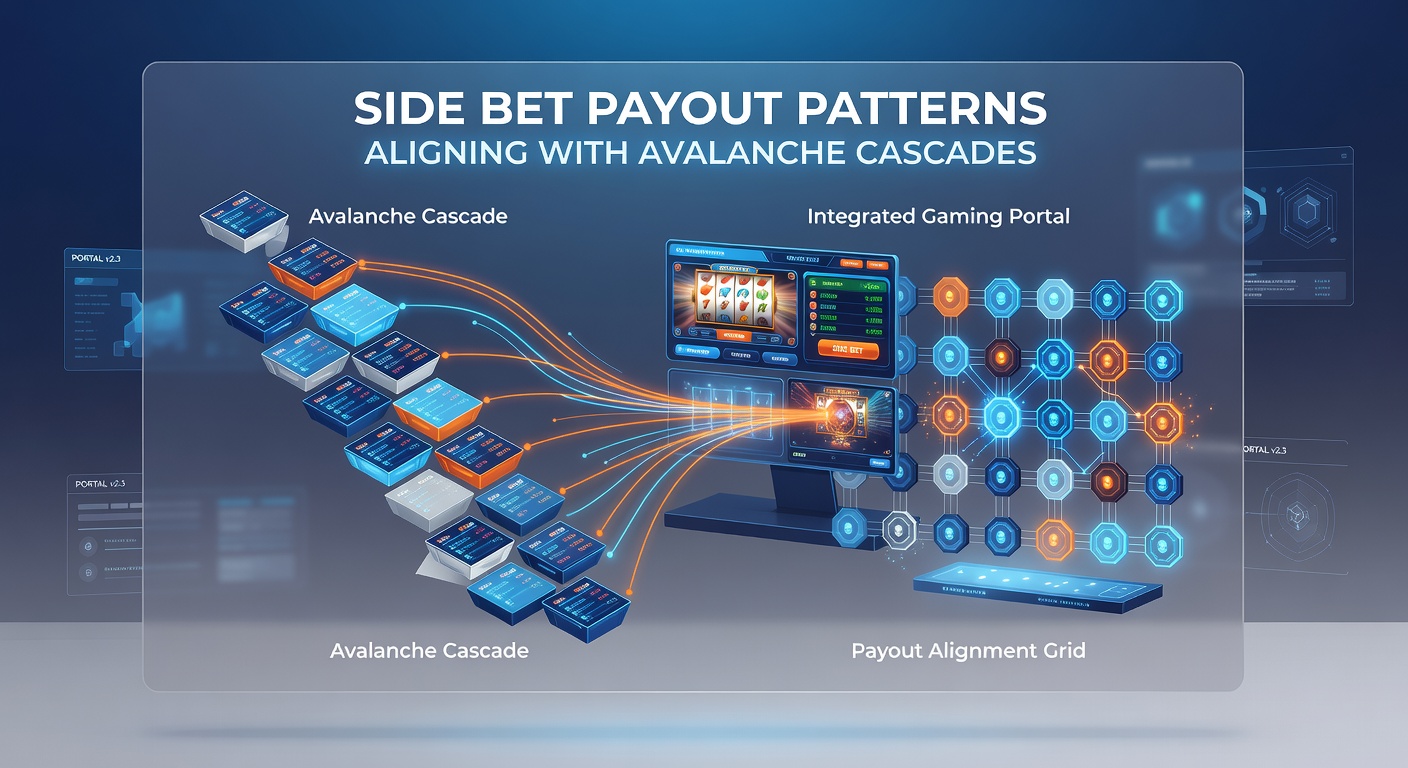
Technical Integration Methods Used by Platform Providers
Developers achieve the alignment through application programming interfaces that expose cascade counters to the table game module, allowing side bet resolution scripts to query the current cascade depth before finalizing payouts. This approach uses event-driven architecture where each symbol removal broadcasts a message that the side bet handler receives and processes in sequence.
According to reports published by the Nevada Gaming Control Board, certified systems must maintain separate random number generators for table and slot components even when visual alignments occur, yet the payout correlation emerges from deterministic mapping rules rather than shared randomness. The rules define exact cascade depths that trigger specific side bet multiplier tiers, creating predictable patterns that repeat across sessions.
Regulatory Context and Reporting Requirements in 2026
Updates released in June 2026 by several international oversight bodies require operators to log and disclose any cross-mechanic payout alignments that exceed defined correlation thresholds. These requirements apply to portals serving multiple jurisdictions and emphasize transparency in how side bet outcomes connect to cascade events without altering the underlying probabilities of each game type.
Industry associations such as the European Gaming and Betting Association have published guidelines that recommend regular audits of alignment frequency, and the resulting reports show stable patterns rather than engineered advantages. The documentation process includes timestamp verification and multiplier application logs to confirm that alignments result from documented integration rules.
Conclusion
Side bet payout patterns align with avalanche cascades in integrated gaming portals through defined technical linkages that synchronize event timing and multiplier application. System logs and regulatory filings document these alignments as consistent outcomes of shared engine architecture, with measurable frequencies tied to cascade depth thresholds and processing windows. Continued monitoring through established audit frameworks maintains transparency around these interactions across unified platforms.