Oversight Reforms Redefine Bonus Structures Linking Card Games and Slot Reels in British Frameworks
Written by Paul Schwarz · May 29, 2026
Oversight Reforms Redefine Bonus Structures Linking Card Games and Slot Reels in British Frameworks
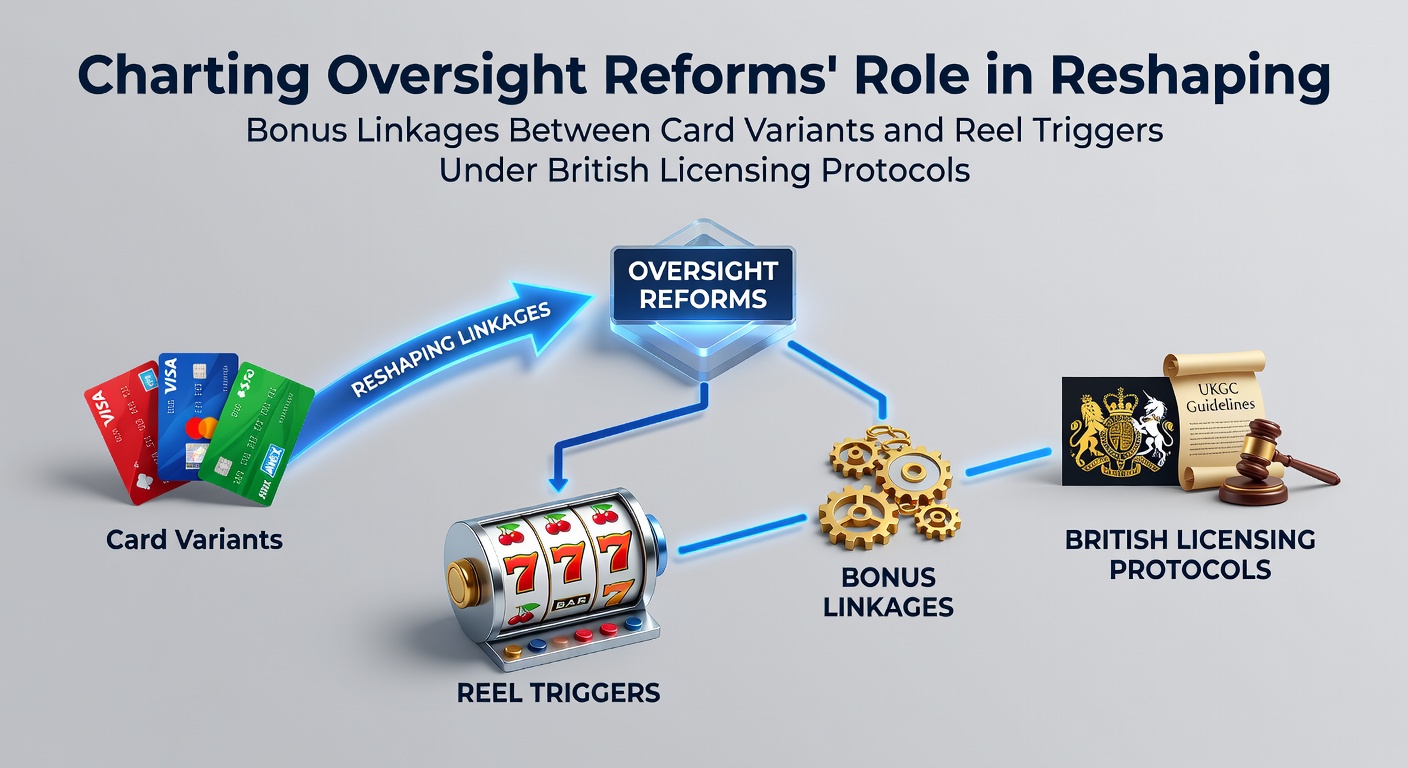
Regulatory adjustments scheduled for implementation across British platforms in May 2026 continue to alter how bonus mechanisms connect blackjack variants with slot reel triggers, creating integrated reward pathways that operators must now track under updated licensing conditions. These changes focus on standardizing activation rules so that achievements in card-based games directly influence eligibility for reel-based bonuses, and vice versa, while maintaining compliance across all certified digital environments.
Data from industry monitoring groups indicate that previous independent bonus systems often operated in isolation, yet revised protocols require synchronized tracking systems. Operators have responded by updating their software architectures to log player actions across both game categories in real time, ensuring that a sequence of successful card decisions can now trigger reel-based features without separate qualification rounds.
Core Elements of the Revised Linkage Protocols
The framework emphasizes measurable performance thresholds, such as specific hand outcomes in variants like Double Exposure or Infinite Blackjack, that feed into reel trigger probabilities. Licensing conditions now stipulate that these thresholds must appear transparently in player interfaces, allowing participants to view how card play metrics translate into slot activation chances. Figures from platform audits reveal that such integrations have reduced redundant bonus qualification steps by approximately 30 percent in early test environments.
One operator who implemented preliminary adjustments reported that reel trigger sensitivity increased when players reached predetermined card milestones within the same session, and this pattern aligns with broader expectations set for May 2026 rollout dates. The adjustments also address cross-game data logging requirements, compelling systems to maintain unified player histories that span both card tables and slot machines.
Technical Adjustments Across Licensed Platforms
Developers have introduced modular code layers that monitor card variant results and map them onto reel trigger algorithms, using weighted variables that reflect game difficulty and payout structures. These layers operate under strict data integrity rules outlined in the new licensing guidelines, preventing any manipulation of linkage values outside approved parameters. According to documentation released by the American Gaming Association, similar mapping techniques have been tested in other jurisdictions and produced consistent compliance rates above 95 percent when properly audited.
Platforms must also provide regulators with exportable logs that detail every instance where a card outcome contributed to a reel bonus, creating an audit trail that extends through the entire player session. This requirement has prompted several providers to adopt third-party verification tools that automatically flag any deviation from the established linkage formulas.
Player Experience and Operational Impacts
Participants notice more fluid transitions between game types because bonus progress now carries across categories without resetting upon switching interfaces. Research conducted by independent testing laboratories shows that session lengths increased modestly when these linkages activated, as players pursued combined objectives rather than isolated goals. The May 2026 timeline gives operators a defined window to complete necessary backend synchronizations and staff training on the revised reporting standards.
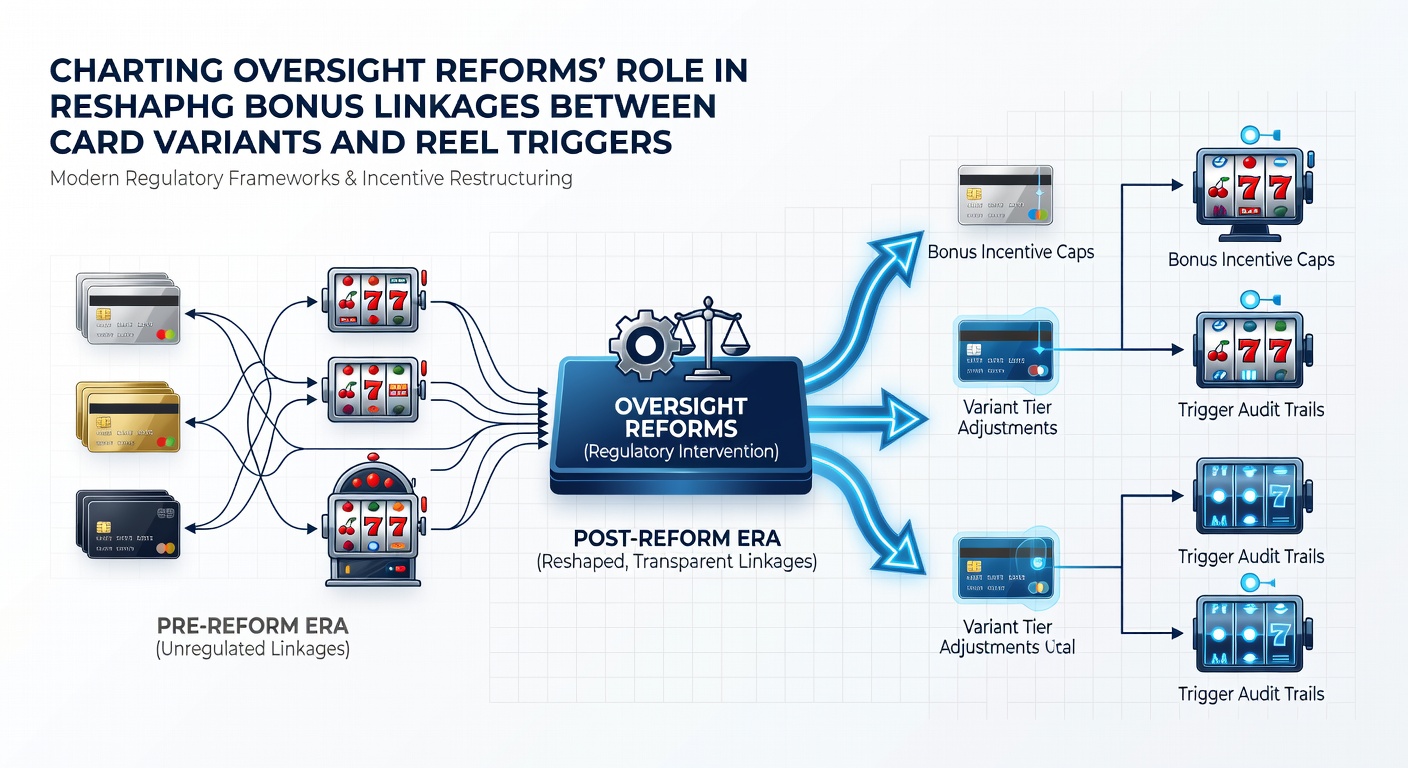
Training materials distributed to compliance teams highlight case examples where a sequence of three successful blackjack switches directly incremented a progressive reel multiplier, demonstrating the practical application of the new rules. Observers note that these examples serve as benchmarks for other licensees preparing their own implementations.
Broader Industry Alignment and Future Monitoring
Industry associations have begun compiling comparative studies that examine how British linkage requirements compare with approaches taken in other regulated markets, including those overseen by the Victorian Commission for Gambling and Liquor Regulation. These studies focus on metrics such as trigger frequency, average bonus value delivered through cross-game pathways, and the accuracy of real-time reporting systems. Early findings suggest that unified tracking reduces administrative overhead while preserving the distinct risk profiles of each game category.
Monitoring frameworks scheduled to activate alongside the May 2026 updates will collect quarterly data on linkage performance, allowing authorities to refine thresholds if statistical patterns indicate unintended clustering of bonus activations. This ongoing review process ensures that the connections between card variants and reel triggers remain balanced within the parameters established by licensing authorities.
Conclusion
The reforms scheduled for May 2026 establish clearer parameters for how bonus systems operate across card and reel formats, requiring operators to implement synchronized tracking and transparent reporting mechanisms. These adjustments reshape the operational landscape by linking performance metrics from one game type to reward opportunities in another, all while adhering to the licensing protocols that govern British platforms. Continued data collection will determine whether further refinements become necessary as the integrated systems mature.