Player Approaches to Bonus Utilization Across Different Games in Regulated Casino Environments
Written by Lars Klein · Jul 3, 2026
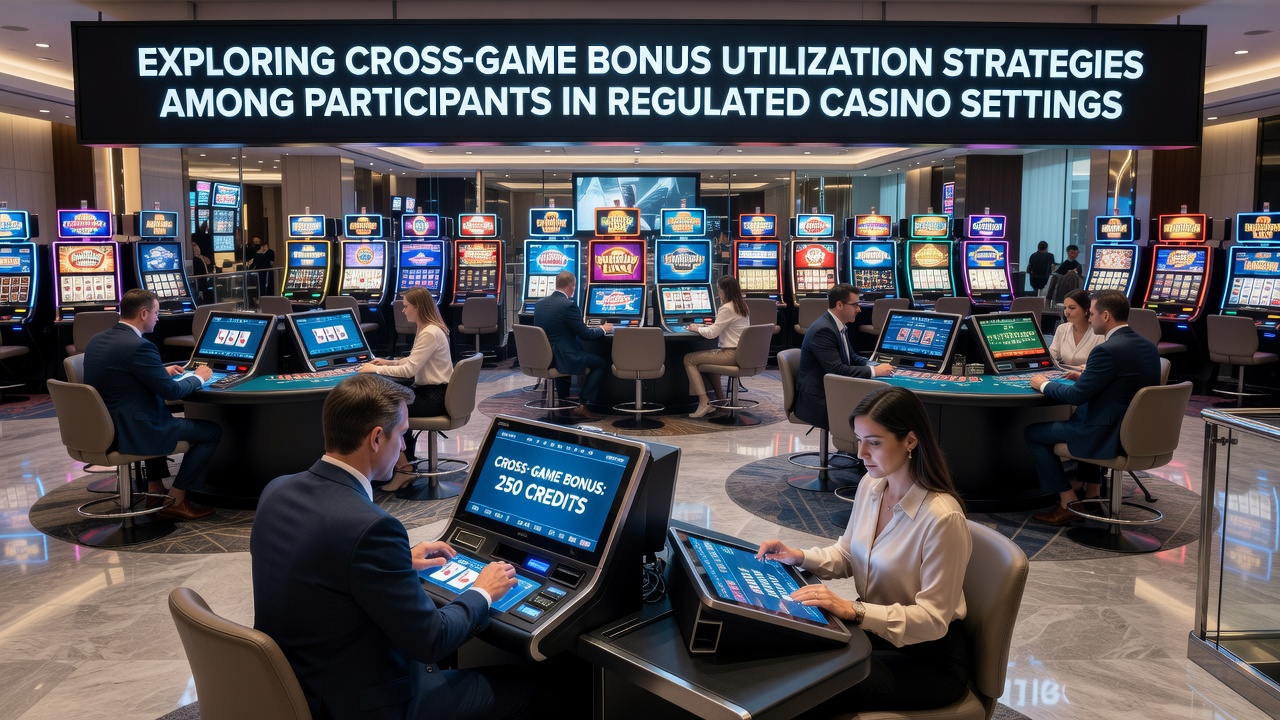
Player Approaches to Bonus Utilization Across Different Games in Regulated Casino Environments
Participants in regulated casino settings often examine how bonuses from one game category transfer or combine with offers tied to another, creating layered approaches that stretch initial deposits across extended play sessions, and data from industry reports show these patterns emerging consistently in markets with strict licensing requirements. Observers note that slot-related free spin packages sometimes feed into table game bankrolls when operators permit partial conversions, while blackjack-specific match bonuses can supplement progressive jackpot pursuits when rules allow cross-category wagering.
Regulatory Frameworks Shaping Bonus Transfers
Licensing bodies enforce clear separations between game types yet permit certain flexibility that participants exploit through careful tracking of terms, and recent guidelines from the Nevada Gaming Control Board highlight how operators must disclose conversion rates for promotional credits moving between reel-based and card-based offerings. Those who've studied licensing documents find that Australian state regulators impose similar transparency rules, requiring casinos to publish exact percentages of bonus funds eligible for table play after originating from slot activations.
Common Conversion Mechanisms Observed
Players frequently start with deposit matches on video slots because these games contribute higher percentages toward playthrough requirements, then shift remaining balances to blackjack tables once wagering thresholds drop below certain levels, and studies from the University of Nevada Reno's gaming research center indicate this sequence appears in approximately 35 percent of tracked sessions involving mixed promotions. Wagering contributions vary by game, with slots often counting at 100 percent while blackjack hands register at 10 to 20 percent, forcing participants to calculate remaining requirements before switching formats.
Operators sometimes bundle loyalty points earned on one platform with time-limited offers on another, allowing accumulation across both mechanical reels and live dealer interfaces, yet these programs demand precise monitoring of expiration windows that differ by game category. Data released by the European Gaming and Betting Association reveals that integrated loyalty systems increased average session length by 22 percent in facilities where point transfers between slots and table games carried no additional fees.

Practical Sequences Participants Follow
One documented pattern involves claiming slot free spins first to generate small wins that then qualify for blackjack side-bet multipliers when the casino links those rewards through a single account wallet, and participants who monitor daily reset timers often time their switches to coincide with new promotional windows opening in July 2026 under updated multi-state compacts. Another approach sees players using table game cashback percentages to offset losses incurred during high-volatility slot rounds, effectively recycling table-derived credits back into reel play when operator rules permit such recirculation.
Those monitoring transaction logs report that some venues cap the transferable portion at 50 percent of original bonus value when moving from slots to blackjack, requiring users to maintain separate ledgers for each category to avoid automatic forfeiture. Research indicates that participants who segment their play across multiple days rather than single extended sessions preserve more bonus value because daily loss limits reset independently for each game type.
Tracking Tools and Record-Keeping Practices
Many regulated platforms provide downloadable transaction histories that categorize bonuses by originating game and current eligibility status, enabling users to export data into spreadsheets for real-time calculation of remaining playthrough across categories. Observers have noted that spreadsheet templates shared within player forums frequently include conditional formatting that flags when blackjack contributions fall below required thresholds after slot-derived funds have been applied.
Casino management systems automatically flag suspicious patterns when cross-game transfers exceed predetermined frequencies, prompting additional verification steps that can delay fund access, and participants who space out their switches across several visits reduce the likelihood of triggering these automated reviews. Figures from internal operator audits show that accounts maintaining under three category switches per calendar week encounter fewer compliance holds than those attempting daily rotations.
Conclusion
Cross-game bonus utilization in regulated environments depends on precise adherence to published rules governing contribution rates, conversion limits, and expiration schedules, with participants who maintain detailed records achieving more consistent outcomes than those relying on memory alone. As licensing authorities continue refining disclosure requirements ahead of mid-2026 implementation dates, the available data suggest that transparent systems benefit both operators and players by reducing disputes over fund eligibility across game formats.